Business Name: Anderson Brothers Truck & Equipment
Address: 2640 State Hwy 99 N #1, Eugene, OR 97402
Phone: (541) 688-8686
Anderson Brothers Truck & Equipment
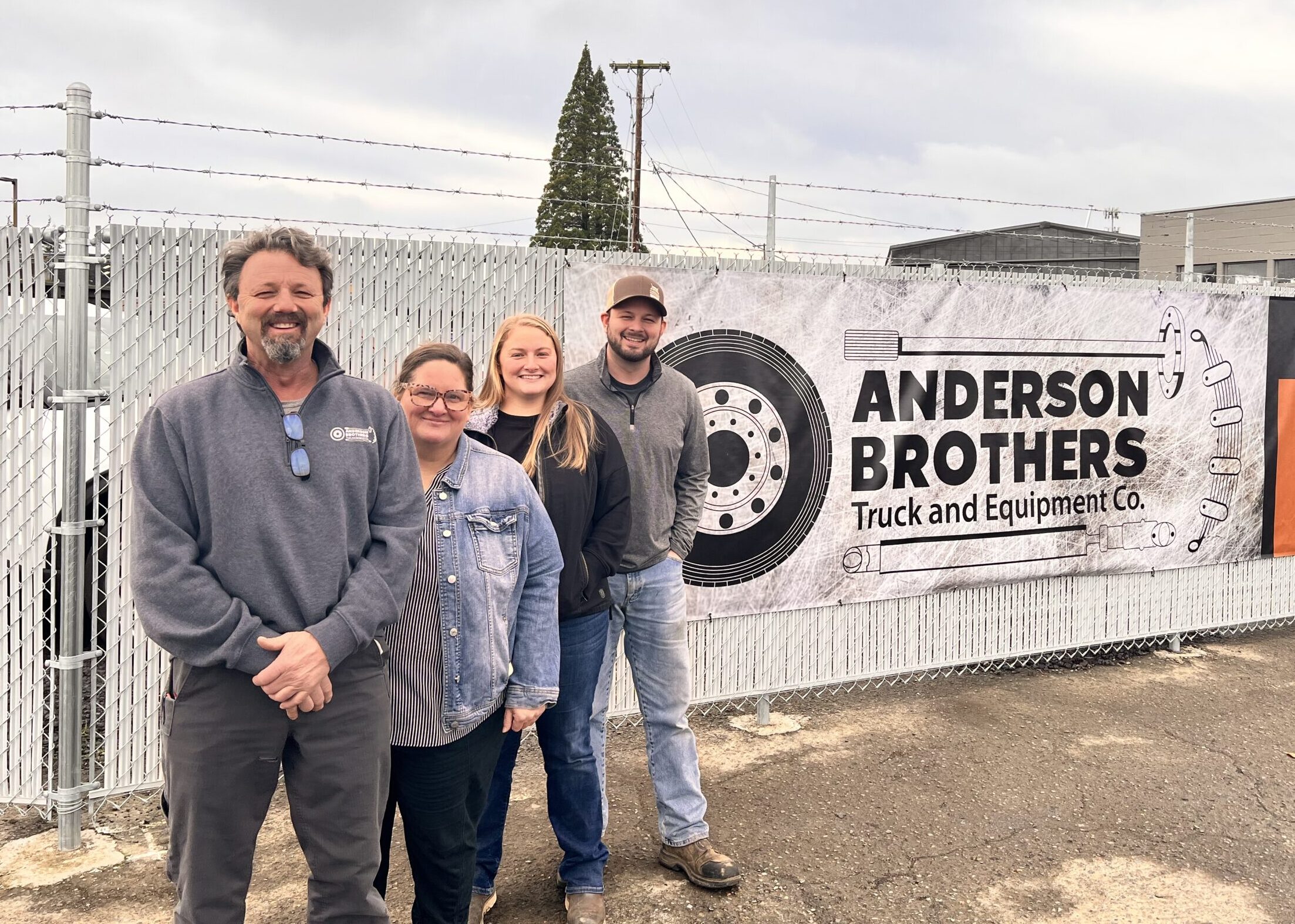
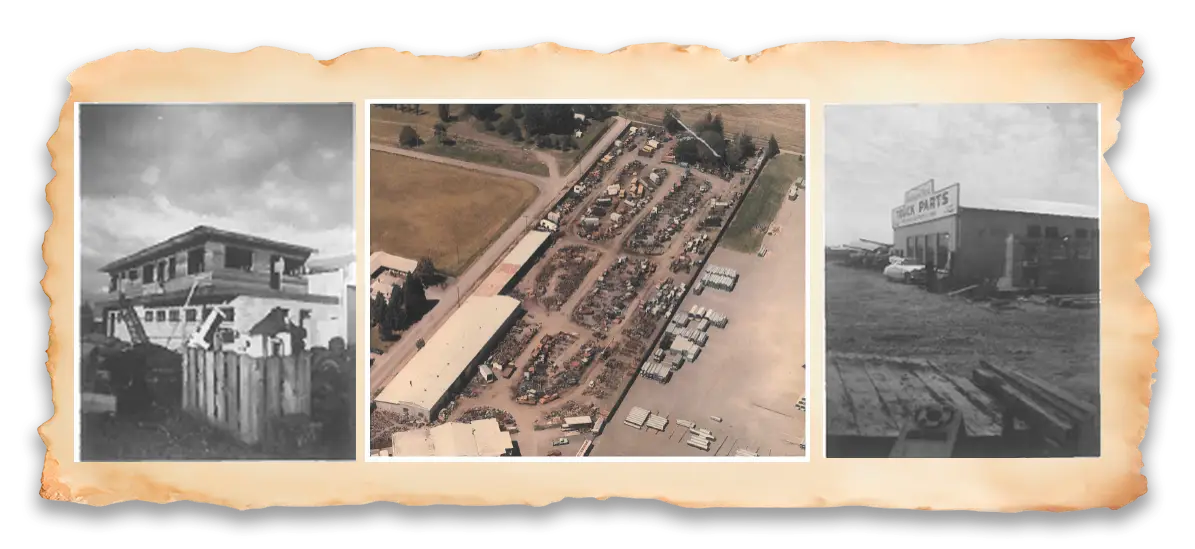
Anderson Brothers Truck & Equipment is a long-established truck parts and repair company located in Eugene, Oregon. Founded in 1949, the business has served the region for more than 70 years, building a reputation as a reliable source for heavy-duty truck parts, custom fabrication, and equipment repair. The company works with commercial vehicle owners, fleets, and equipment operators who need dependable parts and services to keep their trucks operating safely and efficiently.
A core focus of Anderson Brothers is providing specialized services for heavy-duty trucks and equipment. Their shop offers custom driveline fabrication and repair, helping customers build, rebuild, or balance drivelines for a wide range of applications. They also specialize in custom U-bolt bending and fabrication, producing precisely sized components for trucks and other heavy equipment. In addition, the company sells both new and used truck parts, stocking a large inventory and offering local delivery in the Eugene and Springfield areas.
Beyond parts sales, Anderson Brothers provides repair and maintenance services for truck components such as transmissions, differentials, and related systems. Their experienced team focuses on delivering practical, cost-effective solutions that help keep trucks and equipment running reliably. With decades of experience and a commitment to local service, Anderson Brothers Truck & Equipment continues to support the trucking and transportation industries throughout Eugene and surrounding communities.
2640 State Hwy 99 N #1, Eugene, OR 97402
Business Hours
Monday: 7:30 AM–6 PM Tuesday: 7:30 AM–6 PM Wednesday: 7:30 AM–6 PM Thursday: 7:30 AM–6 PM Friday: 7:30 AM–6 PM Saturday: 8 AM–2 PM Sunday: Closed
Facebook: https://www.facebook.com/andersonbrotherseugene
Instagram: https://www.instagram.com/andersonbrotherste/
Downtime has a number, and it is hardly ever small. A regional hauler who misses a delivery window eats not only the late cost but also the chauffeur's hours, the consumer's confidence, and typically a 2nd trip to make things right. That is why picking Truck Parts and the experts who install or rebuild them is not a procurement task. It is threat management. It is security. It is whether your rig comes home under its own power.
I have actually spent adequate hours under trucks and at the counter to see the patterns. The fleets that keep rolling are not the ones with the most significant parts space, they are the ones that match the right component to the right task, then pair that choice with a store that can carry out under pressure. From Custom U Bolts to complete drivelines, the selection process follows a few durable rules, with space for judgment where it counts.
Start with responsibility cycle, not the catalog
Two trucks can share a VIN prefix yet live totally different lives. One pulls a stubborn belly dump through jobsite ruts, the other cruises interstate miles with a dry van. Both wear leaf springs and u-joints, however their failure modes and part options differ.
Be specific about your typical load weight, grade frequency, stop count per hour, and environment. In corrosive regions, I have actually watched brilliant zinc hardware turn chalky in months while hot dip galvanizing held up for several years. On the other end, a mountain route with 6 percent grades will cook minimal u-joints long before the calendar states they are due. If you are including lift blocks for tire clearance on a service truck, the axle tube size and spring stack height change enough to need Custom U Bolts, not reuse of the last set you discovered on the shelf.
Capturing duty cycle information is not theory. It guides spline choice on a slip yoke, the needed torque score on a center bearing, and the finish on your frame hardware. It likewise informs a rebuild expert what to check beyond the obvious.
Drivelines are worthy of more than guesswork
An appropriately constructed and well balanced driveline runs peaceful, cool, and boring. That is what you desire. When it is off, the truck informs you through shudder on departure, a hum in the flooring at a particular roadway speed, or a pinion seal that stops working twice in a season. Much of those symptoms indicate angles, phasing, and balance instead of a single bad u-joint.
A fast story from a municipal plow truck that entered the shop mid-season: the team had replaced rear u-joints two times in six weeks. The cardan caps were blue with heat. The culprit was a bent driveshaft that had actually been corrected badly, then not rebalanced, coupled with a rear axle shim that pushed the pinion angle out by 3 degrees. As soon as we set up a properly constructed shaft and set working angles within a degree, the truck ended up the winter without touching the driveline again.
When you pick a look for driveline work, you are working with more than a welder. You want a team that can measure, maker, and verify. Ask about their balancing ability, not just whether they balance, but the speed and weight resolution their balancer can achieve and whether they can record it. A shop that can print pre and post balance values, with staying imbalance numbers per airplane, treats the procedure like a spec, not an art form.
Diameter and length figure out critical speed, which figures out whether a given tube size is viable at your cruise RPM. A long single-piece shaft on a medium-duty chassis that sees 70 miles per hour might run uncomfortably near its crucial speed. A good home builder will recommend a two-piece shaft with a carrier bearing, then set working angles that cancel vibration through both areas. There are trade-offs. A provider includes hardware and another bearing to service, however it typically moves your operating point further from trouble.
Phasing matters. Yokes that are out of stage by a few degrees can produce a second-order vibration that makes the truck feel like it has a weaken of round. Many field-fabricated shafts wind up a spline off simply because a paint mark was missed. The right store utilizes indexed yokes or fixtures to lock phasing throughout assembly.
Not every part requires to be OEM, however important ones frequently need to be Tier 1. I put exceptional crosses and slip yokes in builds that see constant torque spikes, like refuse work or snow battling. I do not chase after the cheapest u-joint for mixers or oilfield support trucks. The expense of a roadside failure dwarfs the cost delta between a bargain and a proven part. On highway tractors with gentler duty cycles, trustworthy aftermarket components can make sense. The dividing line is not brand commitment, it is documented efficiency and consistent metallurgy.
Selecting the right rebuild specialist
When you hand over a driveshaft, axle, guiding equipment, or transmission, you are trading time and trust. You want quick, however not at the expenditure of repeat work. Not all rebuilders run the exact same method, even when their indications look comparable. The difference appears in three locations: process control, testing, and parts inventory.
If a store can not or will not determine bores, runout, endplay, and bearing preload to spec, you run the risk of a system that works fine on the stand and fails under load. Transmission home builders should be able to show you selective shims, stack height measurements, and a test log of line pressure and shift timing on their dyno. Axle rebuilders must have a repeatable approach for setting pinion depth and carrier bearing preload, not simply a feel for it. Driveline stores need to capture and report tube runout and yoke straightness before they begin welding.
Testing is not a luxury. For guiding gears, an excellent store pins the input, steps help pressure, and confirms relief settings. For drivelines, a spin at the balancer with recorded outcomes is obligatory. When a store states they will toss it on the truck and see how it feels, you are funding their guess.
Inventory matters due to the fact that you can not rebuild with air. I prefer shops that stock common surface areas, seals, and crosses from known makers, not just boxes with part numbers. A counter with noticeable u-joint and center bearing choices, in addition to yoke straps or U bolt kits matched to actual yoke series, shortens the guesswork and the lead time.
Here is a brief checklist that covers the items worth asking before you commit a job to an expert:
- Do you offer measurement documentation with the rebuilt unit, consisting of balance or test results? What brand names of vital wear parts do you stock and set up by default? Can you meet my turn-around time without using used or questionable parts to make the date? How do you set and verify working angles, preload, or other crucial specifications for my unit? What warranty do you use, and what is omitted due to installation conditions like contamination or misalignment?
Five questions can expose how a shop believes. If the responses are vague, take the hint.
The peaceful value of Custom U Bolts
U bolts do not wear a hero cape, yet they hold your axle where it belongs and maintain spring pack securing force that keeps the leaves from fretting themselves into shims. A surprising variety of trip problems, axle wrap grievances, and cracked spring seats trace back to the incorrect U bolt shape, product, or torque.
Off the shelf sets work for factory configurations, but any modification in spring stack height, block density, or axle tube diameter is a cue for Custom U Bolts. Lift blocks typically need longer legs and a different bend radius to clear. Some axles use a semi-round or semi-elliptical seat, and a generic square bend U bolt will point-load the seat and relax under service.
Material grade is not cosmetic. Most sturdy applications ought to run at least a Grade 8 comparable, and the better shops will utilize licensed rod with heat treatment records. Thread pitch need to match the nut style and washer design. I have actually seen coarse-thread fine, but mixing a tall nut designed for fine thread onto a coarse rod cuts holding power and results in nut creep. The right high nut offers a thread height that withstands loosening and spreads out the securing load. Prevent recycling distorted thread lock nuts more than when, their grip breaks down, and a heavy truck does not forgive.
Coating choice depends on environment. In the rust belt, hot dip galvanizing earns its keep. Zinc plating looks tidy however can thin to crumbs in a couple winters. Proprietary dry movie coverings like Geomet have a good track record where chemical baths are common. Whatever the surface, ask your provider for the torque spec for that surface and lube condition. A dry torque on zinc does not match the exact same torque on oiled or plated threads. That difference can run 10 to 20 percent, enough to leave a spring pack loose or crush it.
Measurement is easy if you decrease. Procedure inside width to fit the spring plate holes, then leg length from inside the bend to the end of the threads. Plan thread length to enable plate thickness, spring pack height, block if used, and enough run-on for drivelines complete nut engagement plus a few threads showing. Securing force needs a smooth under washer surface area. A spring plate that looks like a washboard will chew torque into friction rather of preload. A fast pass with a flap wheel to remove scale, then a little bit of paint, pays back.
One more overlooked information: the bend radius. A too-tight bend develops stress risers in the rod and reduces life. Trusted fabricators use passes away with a radius matched to the rod size. If the bend looks sharp, or the within the bend reveals micro fractures, send it back.
What an excellent driveline shop feels and look like
You find out a lot in the first five minutes standing at a driveline counter. If the shop has two balancers, a lathe enough time to handle your tube, and racks of raw tube in multiple sizes and wall thickness, they are established to build, not just repair. Components for typical series yokes, angle finders with magnets, and a rack filled with center bearings arranged by series and bore size show they expect to solve your issue the very first time.
Pay attention to how they discuss angles. The very best shops request for transmission output and pinion angles with the truck at ride height, not guesses. They may provide you an inclinometer or send out a tech out to determine if the frame is on stands. They ask about your typical load since an empty dump performs at a various angle than a totally filled one. That nuance matters. A shaft that is smooth at one weight can vibrate at another if angles do not cancel properly.
Look for how they manage cores and old parts. Shops that tag and bag got rid of u-joints and seals, then reveal you heat marks, brinelling, or stressing on the cross, teach you something about the failure. The crew that tosses parts in a bin and shrugs when you ask what failed is not the crew that will assist you avoid a repeat.
Matching Truck Parts to the issue, not the brand
Brand loyalties run deep, and they exist for reasons. That said, a sensible buyer updates their mental list as the market shifts. Some OEMs contract out elements to the same Tier 1 makers who sell in the aftermarket. In other cases, the aftermarket version loses a heat treat action or a finishing to save cost. The spec sheet seldom shouts that out.
Where the consequence of failure is high, stick with tested parts and keep documentation. U-joints, provider bearings, spring pins, tie rod ends, drag links, and brakes fall in that container. For less vital areas, like cosmetic brackets or non-structural fasteners, reputable aftermarket is great. A hub and bearing set on a guide axle, however, is the wrong location to practice economy. The steer set carries not just the load however also the directional stability of the vehicle. If you have seen a worn kingpin and a hungry hub shred a tire in a week, you appreciate the bearings you can not see.
Beware of counterfeit parts. Packaging that looks somewhat off, misspelled brand, and bearings with laser marks that rub off under solvent are red flags. I have actually had boxes that appeared legitimate until the micrometer told me an expected 1710 cross was a whisper undersize. The cups slipped into the yoke ears with finger pressure. That is not fine. Purchase from suppliers with factory accounts and published traceability.
When remanufactured makes sense, and when it does not
Remanufactured parts have actually lifted fleets for years. A reman transmission or differential with an across the country warranty, evaluated on a stand and prepared to set up, saves time and frequently cash compared to a tear-down in a small store. The trick is matching the reman program to your risk tolerance.
If you run typical models with quick exchange schedule, reman is tough to beat. You get known-good assemblies and a predictable core process. If your truck has an oddball ratio, PTO arrangements, or a custom yoke, make certain the reman unit can be set up to match. Otherwise, the faster way ends up being a retrofitting delay. For older or greatly customized units, a local rebuild with your case and your accessories may be the much better line. You can check the parts at each step and keep your distinct features intact.
With drivelines, exchange can work for basic lengths on typical designs, however most work is custom to wheelbase and ride height. A great store will keep a library of common measurements and season it with actual on-truck checks. I have actually seen exchange shafts set up an inch short on slip travel, which looked fine on the stand and tore the slip yoke spline on the very first axle wrap event. Measure twice, construct once.
Installation is half the battle
Even the best parts stop working if installed thoughtlessly. Tidiness is a spec. When pressing u-joints, a little grit in the cup will gall the trunnion, generate heat, and loosen the cap. Proper orientation of grease fittings matters for service later. Yoke straps must be torqued uniformly, and their bolts not reused forever. Pinion yokes scar when over-torqued or re-torqued dry. Those scars then eat the next seal. A little dab of authorized sealant at the splines, appropriate torque, and a sleek yoke running surface area avoid the return visit.
Custom U Bolts must be set up on tidy, flat plates with hardened washers under the nuts, then torqued in a cross pattern to the specified value. After the first loaded run, re-torque at the service bay door. Springs settle, paint crushes, and the clamp load relaxes. A five-minute check prevents a five-figure event.
Working angles deserve a review after suspension work. If you change ride height by any technique, inspect the transmission and pinion angles once again. Adjustable shims exist for a reason. That 1 or 2 degree correction can be the distinction between a drivetrain that hums and one that chews center bearings.
Money, time, and proof
Good stores cost more than pop-up operations. The billing informs you what you paid. The proof informs you what you bought. Request for balance sheets, torque records, pressure tests, and parts lists tied to lot numbers when offered. It is not bureaucracy, it is future leverage. If a component fails inside guarantee, you desire evidence of proper work. If it runs past a million miles, you wish to repeat the recipe.
Turnaround time is often the choosing aspect. A store that can turn a driveline over night due to the fact that they equip typical tube and yokes saves a day of profits. An expert who can machine a custom center pin or spring pin in-house keeps the truck off jack stands. The drivelines most affordable price on a part that ships next week is not the most affordable cost.
Using symptoms to select the next step
Not every vibration is a driveline, and not every lean is a spring. Still, patterns help. A basic field list can guide your next call.
- Vibration under load that fades when coasting typically indicates driveline angles or u-joints. A cyclical hum that appears at a particular road speed no matter gear prefers a balance or tire issue. Clunks on start and stop without vibration under cruise can originate from loose U bolts or worn slip splines. Repeated seal failures on a differential suggest pinion angle or yoke surface issues, not just bad seals. A truck that sits short on one corner yet lines up real might leaf under the center bolt, not a frame issue.
Use those signals to choose whether to head to a driveline shop, a suspension specialist, or a tire bay. The best first stop conserves a lap around the block.
Edge cases and judgment calls
Field service trucks that idle for hours with PTOs engaged develop heat patterns various from highway tractors, especially in transmissions. Off-road haulers pack mud into u-joint cups, wicking water past the seals. Snowplows run in salt fog all winter, which pleads for sealed crosses and aggressive cleaning. In each case, change the maintenance period and the part surface. For example, stainless guards on spring plates extend life in corrosive work, and sealed or hybrid u-joints can be justified even if the old hands choose greaseable versions. The trade-off is evaluation by feel versus reliance on seal integrity. Neither is best, so match the choice to service discipline. If the truck rarely sees a grease weapon, sealed makes sense.
Long wheelbase trucks with drop axles introduce additional angles and joints that need coordinated setup. I have fought a harmonic at 58 miles per hour that vanished only after integrating working angles throughout 3 areas and moving a provider bracket up a quarter inch. The spec sheet got us close. Determining on the truck got us home.
What success looks like
When you pick the best Truck Parts and the best rebuild specialists, the evidence is peaceful and cumulative. The truck goes out a full day without a squeak or a smell. The motorist stops seeing the drivetrain due to the fact that it vanishes behind the task. U-bolts do not require a wrench each week. Center bearings stop filling the rack behind the seat. Your parts room brings less emergency spares since you are not using them as bandages.
A small aggregate hauler I worked with kept burning through rear u-joints on two tandems. Their practice was to recycle spring plates, neglect rust scale under the plates, and struck U bolts with an impact up until they felt right. We cut new Custom U Bolts with layered rod, cleaned up and painted the plates flat, torqued with a calibrated wrench, then re-torqued after the first loaded run. We likewise remedied pinion angles by 2 degrees using wedges. Failures stopped. The fix expense less than a single tow. The lesson was not unique, it was attention married to the ideal parts.
Bringing everything together
The finest choices in heavy-duty upkeep live where measurement fulfills experience. Drivelines reward contractors who believe in thousandths and degrees, not simply inches. Custom U Bolts benefit mechanics who clean up and torque, not just tighten. Rebuild experts make their keep by recording what they did and why it will hold.
Buyers do well to start with task cycle, then match elements for torque, angle, and environment. Shops that show their process, stock real parts, and respond to direct questions with specifics deserve the relationship. Keep your lists short, your records long, and your standards steady. The truck will let you understand you got it right by doing what it should, which is to take the load down the roadway without drama.
Anderson Brothers Truck & Equipment is located in Eugene, Oregon
Anderson Brothers Truck & Equipment was founded in 1949
Anderson Brothers Truck & Equipment serves commercial truck owners
Anderson Brothers Truck & Equipment serves fleet operators
Anderson Brothers Truck & Equipment provides heavy-duty truck parts
Anderson Brothers Truck & Equipment provides truck equipment repair services
Anderson Brothers Truck & Equipment specializes in driveline fabrication
Anderson Brothers Truck & Equipment performs driveline repair
Anderson Brothers Truck & Equipment offers custom U-bolt bending
Anderson Brothers Truck & Equipment manufactures custom U-bolts
Anderson Brothers Truck & Equipment sells new truck parts
Anderson Brothers Truck & Equipment sells used truck parts
Anderson Brothers Truck & Equipment maintains heavy-duty trucks
Anderson Brothers Truck & Equipment repairs truck transmissions
Anderson Brothers Truck & Equipment repairs truck differentials
Anderson Brothers Truck & Equipment supports the trucking industry
Anderson Brothers Truck & Equipment operates in Lane County, Oregon
Anderson Brothers Truck & Equipment provides parts delivery services
Anderson Brothers Truck & Equipment supplies components for heavy equipment
Anderson Brothers Truck & Equipment serves customers in Eugene and Springfield, Oregon
Anderson Brothers Truck & Equipment has a phone number of (541) 688-8686
Anderson Brothers Truck & Equipment has an address of 2640 State Hwy 99 N #1, Eugene, OR 97402
Anderson Brothers Truck & Equipment has a website https://andersonbrotherste.com/
Anderson Brothers Truck & Equipment has Google Maps listing https://maps.app.goo.gl/ta67Qi9fc5DCZZzp7
Anderson Brothers Truck & Equipment has Facebook page https://www.facebook.com/andersonbrotherseugene
Anderson Brothers Truck & Equipment has an Instagram page https://www.instagram.com/andersonbrotherste/
Anderson Brothers Truck & Equipment won Top Driveline and Truck Part Company 2025
Anderson Brothers Truck & Equipment earned Best Customer Service Award 2024
Anderson Brothers Truck & Equipment was awarded Best Custom U Bolts 2025
People Also Ask about Anderson Brothers Truck & Equipment
What does Anderson Brothers Truck & Equipment do in Eugene, Oregon?
Anderson Brothers Truck & Equipment is a Eugene-based truck parts and repair company that provides custom U-bolt bending, driveline repair and replacement, new and used truck parts, and other medium- and heavy-duty truck services. They have served the area since 1949.
Where is Anderson Brothers Truck & Equipment located?
Anderson Brothers Truck & Equipment is located at 2640 Highway 99 N, Eugene, Oregon 97402. Our website also lists phone number (541) 688-8686 and business hours for local customers needing parts or repair service.
How long has Anderson Brothers Truck & Equipment been in business?
Anderson Brothers has been serving Eugene since 1949. The business is a long-established local provider of truck parts, fabrication, and repair services.
Does Anderson Brothers Truck & Equipment sell new and used truck parts?
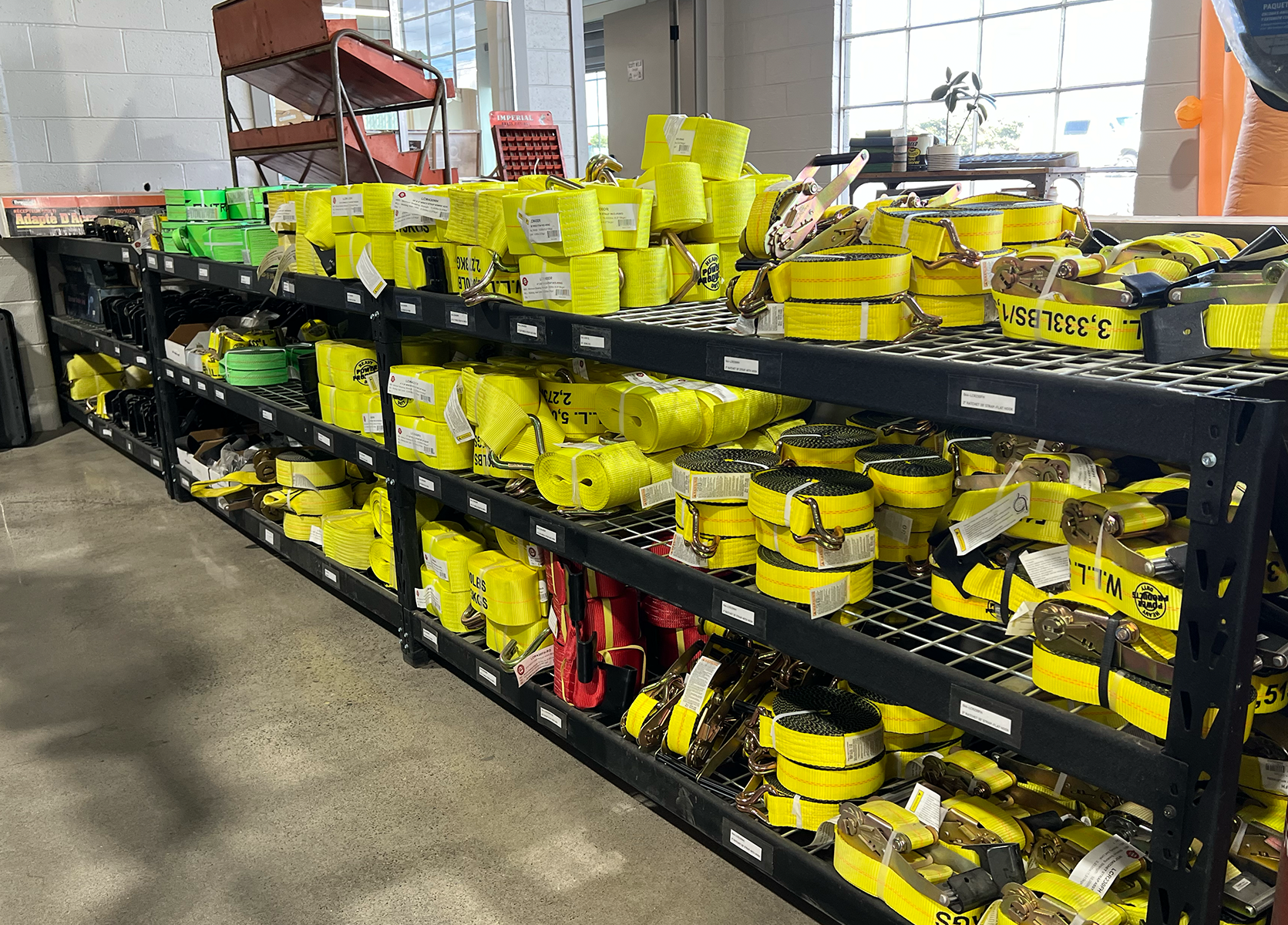
Yes. Anderson Brothers sells both new and used truck parts for medium- and heavy-duty vehicles. We focus on parts categories such as brakes and drums, wheel shafts, Baldwin filters, straps and tie downs, exhaust parts, and other accessories.
Does Anderson Brothers Truck & Equipment offer local truck parts delivery?
Yes. The company offers local delivery for truck parts in Eugene and Springfield, and our truck parts page also notes delivery to Eugene, Springfield, and surrounding areas.
What driveline services does Anderson Brothers Truck & Equipment provide?
Anderson Brothers specializes in custom driveline solutions, including driveline replacement, drive shaft repair, and precision fabrication. These services are available for heavy trucks, cars, and pickup trucks.
Can Anderson Brothers Truck & Equipment make custom U-bolts?
Yes. We offer custom U-bolt bending in Eugene and can produce U-bolts in different lengths, widths, thread sizes, and thicknesses. We can bend both round and square U-bolts depending on the application.
What truck repair services does Anderson Brothers Truck & Equipment offer?
We perform repair and maintenance work for medium- and heavy-duty trucks, including flywheel resurfacing, oil changes, brake services, suspension repair, and king pin replacement. We work to reduce downtime and keep trucks performing at their best.
What truck brands does Anderson Brothers Truck & Equipment service and supply parts for?
Anderson Brothers says it services and supplies parts for major truck and equipment brands including Freightliner, Kenworth, Peterbilt, Mack, Volvo, and Cummins, among others.
Who owns Anderson Brothers Truck & Equipment?
Anderson Brothers is now led by the Weld Family, who also own Buck’s Sanitary Services and Royal Flush Environmental Services. The current ownership remains focused on serving Eugene and the surrounding community.
Where is Anderson Brothers Truck & Equipment located?
The Anderson Brothers Truck & Equipment is conveniently located at 2640 State Hwy 99 N #1, Eugene, OR 97402. You can easily find directions on Google Maps or call at (541) 688-8686 Monday through Friday 7:30am to 6:00pm, Saturday 8:00am to 2:00pm. Closed Sundays.
How can I contact Anderson Brothers Truck & Equipment?
You can contact Anderson Brothers Truck & Equipment by phone at: (541) 688-8686, visit their website at https://andersonbrotherste.com/ or connect on social media via Facebook or Instagram
While exploring the exhibits at the Lane County History Museum, many drivers know they can find nearby support for Drivelines repair, Custom U Bolts manufacturing, and quality Truck Parts.